

1893 . moscow . russia
1979 . germany

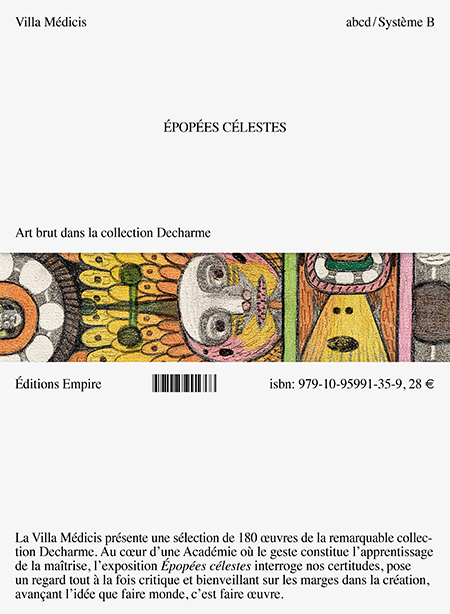
Eugene Gabritschevsky came from a comfortable family of scientists from Imperial Russia. His father was a renown bacteriologist. After the studies of biology at the university of Moscow Gabritschevsky specialized in the problems of heredity. The first signs of mental illness appeared in 1917 but did not prevent him from finishing his studies and launching himself successfully into research. Invited to the United States in 1924, he settled in Paris in 1926 and continued his research at the Pasteur Institute. Hospitalized in a psychiatric institution near Munich at the age of thirty-six, he was diagnosed with schizophrenia. In more than thirty years Gabritschevsky created an extraordinary body of work composed of thousands of paintings and drawings. Painted on the back side of calendars, pages from magazines or administrative papers, the works consist of strips of colour, to which Gabritschevsky gave form by means of a rag or a sponge. His first productions, inspired by nature (corals or human figures), look quite academic. They gradually become ghost-like silhouettes, large headed monsters with huge eyes and later on little beings that look like mutants.


SEE ALSO :


Publications de la Collection de l’Art Brut, fascicule 16. Lausanne, 1990.


{lang=}