one definition, two criteria

Art brut, in our prejudiced view, causes trouble. It retains the salubrious capacity to combine two heterogeneous criteria in its definition. A sociological criterion : the productions described as art brut are made by "humble persons, strangers to the professional artistic circles" (La Compagnie de l’Art Brut, text from 1963). An aesthetic criterion : these productions possess "spontaneous and strongly inventive character, which owes very little to habitual art or clichés".
 All the richness and ambiguïty of the concept of art brut are thus exposed.
 From the two, it is not the sociological criterion that is the most problematic. It is quite easy to find out whether or not someone belongs to the corporative seraglio of art, even if the today generation of artists is reluctant to display its apprenticeship. It is less easy to judge if the creation has been touched by the spirit of discovery. 
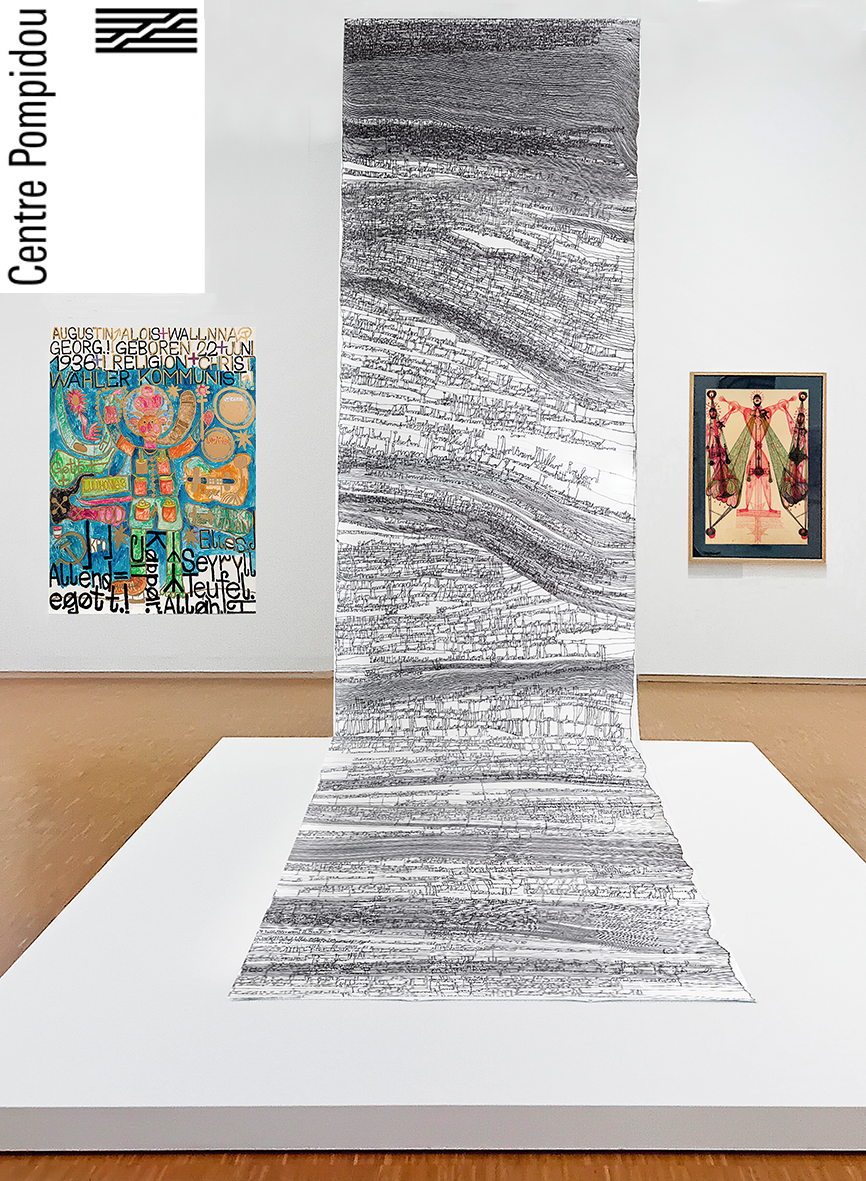
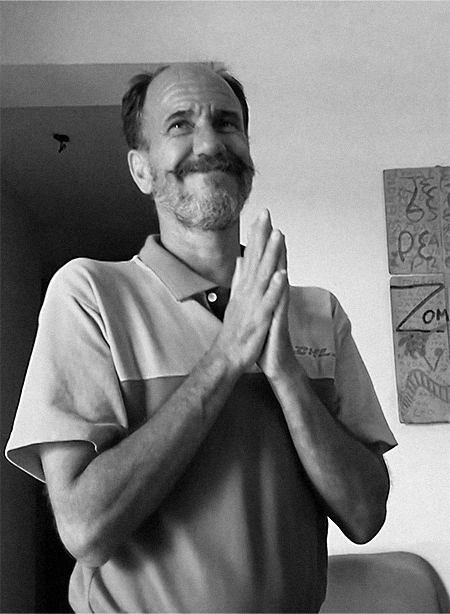
What is actually the meaning of Dubuffet’s assertion, according to which the creations of art brut "appeal to the primary human depths" ? What does he mean when he says that the creators of art brut draw their themes, ideas and means of expression from their "own resources", from their "impulses and humours, without referring to the usual means, without any consideration for the accepted conventions" ? This means CarloDargerDomsicGrünenwaldt
HodinosMonsiel and others. Each of these works enriches and modifies, in its own way, the definition of art brut.


{lang=}